Quitting the Feed Live: The Spectacular Irony of Going Offline for an Audience
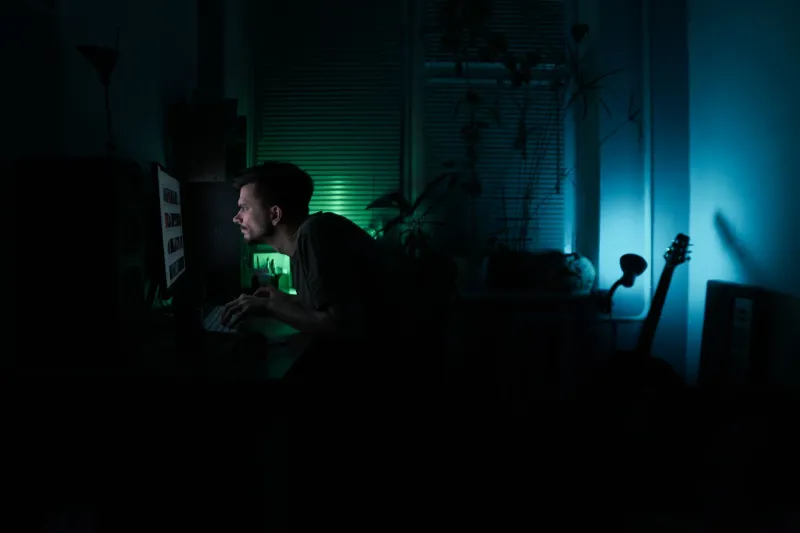
Somewhere right now, a person is staring directly into a camera, voice cracking with conviction, announcing that they are done. Done with the scrolling. Done with the notifications. Done with the soul-crushing hamster wheel of content consumption that has hollowed them out like a decorative gourd. They are logging off. They are reclaiming their brain. They are going to touch grass, read a physical book, maybe even make eye contact with another human being.
They will be back in three hours.
And the whole time they were gone, their view count climbed.
The Performance Nobody Ordered But Everyone Watches
The digital detox livestream is, objectively, the most unhinged genre the internet has produced in recent memory — which is saying something, given that we also invented people eating entire wedding cakes alone in parking lots for engagement. The premise is structurally insane: a person experiencing genuine distress about their relationship with an attention-harvesting platform responds to that distress by harvesting more attention on that same platform, in real time, for an audience that found them through the algorithm they're denouncing.
It is a snake eating its own tail, but the snake has a ring light and a Streamlabs donation alert set to play the Seinfeld bass line every time someone throws them five bucks.
The psychology here is worth sitting with for a second, because it's actually kind of fascinating in a "watching a car slowly roll into a lake" kind of way. Addiction researchers have a concept called "behavioral substitution" — the idea that you don't really quit a compulsive behavior so much as redirect it. Smokers who quit start chewing gum. Gamblers who leave the casino start day-trading. And people who are addicted to the dopamine loop of social media validation? They make content about being addicted to social media validation. The drug becomes the treatment. The treatment becomes the drug. Everyone gets a notification.
The Taxonomy of the Public Quitter
Not all digital detox content is created equal. After extensive and deeply unnecessary research, TastySpleen TV has identified four distinct archetypes operating in this space, and they are all equally beautiful disasters.
The Dramatic Uninstaller films themselves deleting apps one by one, often with the energy of someone defusing a bomb in a blockbuster movie. There is usually music. Sometimes there are tears. The apps are always reinstalled within 48 hours via a separate device they forgot to mention they owned.
The Accountability Streamer livestreams their detox in real time, reasoning that public commitment creates real consequences. This logic is airtight except for the part where they are literally using the platform to stay off the platform, which is the equivalent of quitting alcohol by hosting a bar crawl in your own living room.
The Philosophical Quitter doesn't just announce they're leaving — they deliver a seventeen-minute manifesto about surveillance capitalism, attention economics, and the slow death of authentic human connection. This video will get more engagement than anything else they've ever posted. They will notice this. It will not help.
The Soft Launch Returner never officially came back. They just started posting again one day with no acknowledgment of the detox, like a cat that knocked something off a shelf and is now staring at the wall pretending nothing happened. This is arguably the most relatable and therefore the most depressing variant.
Why We Watch
Here's the part where we have to get a little honest about ourselves, which is uncomfortable but necessary. The reason digital detox content pulls massive numbers isn't purely because audiences are cruel or schadenfreude-hungry (though, let's be real, that's part of it). It's because the whole spectacle functions as a kind of collective confession booth.
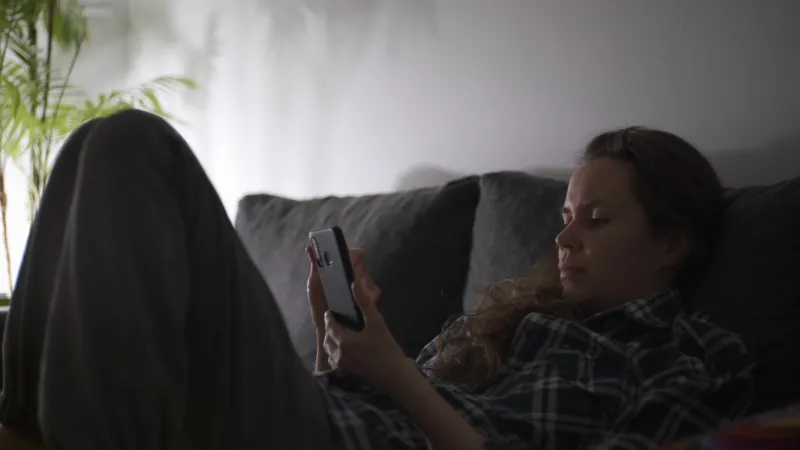
When you watch someone announce they're quitting the feed and then fail to do it, you are watching your own internal monologue play out in front of you. Most of us have had the thought. Most of us have opened our screen time stats, seen a number that should legally require a doctor's note, and felt the specific shame spiral that follows. We've drafted the posts. We've told friends we were taking a break. We've woken up at 2 a.m. and scrolled for forty minutes before we were even fully conscious.
The person on camera failing in public is doing something brave, in a completely chaotic and counterproductive way. They're externalizing the war that most of us are quietly losing in private. There's a reason rubbernecking exists — it's not just morbid curiosity, it's the deeply human need to see your own experience reflected back at you, even in its most wrecked form.
The Platform Always Wins
The truly unhinged part — the part that should probably be taught in media literacy classes but won't be — is that the platforms themselves benefit from detox content at least as much as they benefit from regular content. Maybe more.
Every video about how TikTok is rotting your brain is still a TikTok video. It still generates watch time. It still feeds the recommendation engine. The algorithm does not distinguish between a video celebrating the platform and a video mourning what the platform has done to your attention span. Both produce engagement. Both keep you on the app. The content warning about the drug is itself the drug, and whoever designed these systems either stumbled into this dynamic accidentally or is an actual comic book villain.
Streamers who build entire brands around their dysfunctional relationship with screen time — the ones who go offline dramatically every few months and return to a surge of new followers — have, perhaps accidentally, cracked the most sustainable content formula on the internet. Conflict, resolution, relapse, repeat. It's a season arc. It's prestige TV. It just happens to be a real person's psychological spiral, monetized.
The Truly Unhinged Conclusion
So here we are. The notification grind is not just a personal failing or a tech industry problem or a generational wound — it's become an entire entertainment subgenre, complete with its own tropes, its own audience expectations, and its own economic incentives that make quitting essentially impossible. Going offline is now content. Failing to go offline is better content. The audience for both is the same audience that will watch the next detox announcement with the same quiet anticipation they'd bring to a season finale.
And somewhere, a person is staring into a camera right now, announcing that they are finally, truly, for real this time, done.
We'll see you in three hours, buddy. We'll be here. The algorithm made sure of it.