Cardboard Prophets: The Completely Deranged Rise of Professional Unboxers and the Broken Brains Who Love Them
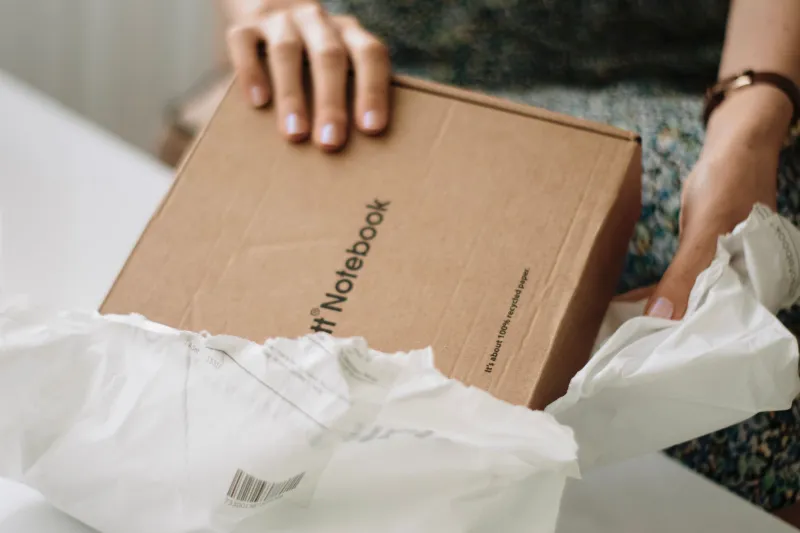
Let's set the scene. It's 11:47 PM on a Tuesday. You have work tomorrow. You have a sink full of dishes, a text you've been avoiding for six days, and a vague sense that you were supposed to do something important this week. Instead, you are watching a man in Scottsdale, Arizona, use a box cutter to open a sealed container of Japanese stationery that costs more than your car insurance. You are riveted. You are invested. You will be here for another forty-five minutes.
Welcome to the unboxing industrial complex. Population: everyone. Exit: apparently none.
The Birth of a Beautiful Disorder
The first true unboxing video — a 2006 upload of someone cracking open a Nokia N95 — was not supposed to be the opening act of a cultural revolution. It was just a guy with a phone and a camera who thought other people might want to see what was inside the box. He was not wrong. He was, in fact, so spectacularly not wrong that the genre has since metastasized into a sprawling, multi-tentacled entertainment ecosystem worth somewhere in the neighborhood of hundreds of millions of dollars annually, depending on which analyst you ask and how loosely they define the word "entertainment."
For context: people have built careers — actual, mortgage-paying, vacation-taking, accountant-having careers — exclusively by opening packages on camera. This is not a metaphor. This is just what happened while we were all busy arguing about other things.
Your Brain Is the Product
Here's the uncomfortable neuroscience part, delivered with the gentleness of a stranger on the internet who genuinely cares about your prefrontal cortex: unboxing videos exploit the same anticipatory dopamine loop that makes gambling casinos obscenely profitable. The moment before the box opens is, neurologically speaking, more exciting than whatever is inside it. Your brain fires up its reward circuitry in anticipation of the reveal, which means you get the chemical hit whether the contents are a $3,000 graphics card or a sad little foam insert that says "Thank you for your purchase."
This is why you can watch forty-seven unboxing videos in a row and still click on the forty-eighth. The box is always about to be opened. The dopamine is always about to arrive. You are, in the most clinical and non-judgmental terms available, running on a hamster wheel made of cardboard and Amazon tape.
Content creators figured this out before the scientists published their papers. The long, deliberate peel of a shipping label. The theatrical pause before lifting the lid. The performative gasp. These are not accidents. These are techniques, refined over millions of hours of collective human attention, optimized to keep your thumb hovering over the screen instead of swiping away.
The Taxonomy of Cardboard Chaos
What's genuinely remarkable — and by remarkable we mean deeply, cosmically strange — is how thoroughly the genre has splintered. The unboxing space in 2024 is not one thing. It is approximately forty-seven things, each with its own dedicated audience, its own aesthetic conventions, and its own particular flavor of psychological grip.
Luxury Tech Unboxings occupy the apex predator slot. These are the Apple product reveals, the limited-edition gaming peripherals, the $800 mechanical keyboards that come nestled in foam like museum artifacts. The production values are immaculate. The presenter speaks in a low, reverent tone, as though the cardboard box contains a sleeping infant or the actual soul of Steve Jobs. The comments section is exclusively people who cannot afford the product explaining in great detail why they don't want it anyway.
Mystery Box Content is the chaos goblin cousin nobody talks about at family dinners. Sourced from Alibaba, Wish, TikTok Shop, and various corners of the internet that feel like they exist slightly outside of normal legal jurisdiction, these videos promise the thrill of the unknown and frequently deliver: broken phone cases, inexplicable ceramic figurines, and at least one item per haul that nobody in the video can identify. The audience loves this with a ferocity that borders on spiritual.
Drunk Unboxing is exactly what it sounds like and has become its own legitimate subcategory. Content creators order things impulsively at 2 AM — sometimes live on stream, sometimes off-camera — and then film themselves opening the packages days later with no memory of the purchase. The emotional journey from confusion to horror to reluctant delight is, genuinely, some of the most compelling television currently being produced by anyone.
Subscription Box Reveals operate on a monthly cycle, creating a recurring content calendar that subscription box companies have been very happy to support with free product and affiliate deals. The audience for these videos often knows the presenter's box contents before the presenter does, because the internet spoils everything, always, without mercy.
The Economy Is Insane and Everyone Agreed to It
Here is the part where the numbers stop making sense in a fun way. Top-tier unboxing channels pull millions of subscribers and generate revenue through a combination of ad dollars, brand sponsorships, affiliate links, and — in an elegant twist — companies literally paying creators to open their products on camera. The product is the advertisement. The unboxing is the commercial. The viewer watches the commercial voluntarily and then recommends it to their friends.
Marketing departments at consumer electronics companies, toy manufacturers, and sneaker brands have restructured entire product launch strategies around the unboxing moment. The box itself has become a deliberate design object — engineered not for shipping efficiency but for camera presence. The satisfying magnetic close. The embossed logo. The tissue paper in the brand color. All of it calculated for the forty-five seconds when a creator lifts the lid and a few hundred thousand people watch.
This is either the most efficient advertising system ever devised or a collective hallucination we've all agreed to participate in. Possibly both.
What We're Actually Watching
Pull back far enough and the unboxing genre reveals something genuinely interesting about the current American psyche, which is that a significant portion of the population has outsourced the experience of getting things to strangers on the internet. You watch someone else receive a package. You watch someone else feel the anticipation. You watch someone else have the thing.
Psychologists call this "vicarious consumption." The rest of us call it "Tuesday night." The distinction is largely academic.
There's something almost poignant about it, if you're in the mood for poignant, which TastySpleen TV generally is not. In a consumer culture that promises satisfaction through acquisition and then quietly fails to deliver it, the unboxing video freezes the best part — the moment before you know whether the thing will disappoint you — and loops it indefinitely. The box is always just about to be opened. The good feeling is always just about to arrive.
The cardboard prophets figured this out. The algorithm rewards them handsomely for it. And somewhere in Scottsdale, a man is still opening stationery at midnight, and you are still watching, and honestly? Same. Completely and utterly same.