Chaos on Camera: The Hall of Fame Twitch Meltdowns That Broke the Internet's Brain
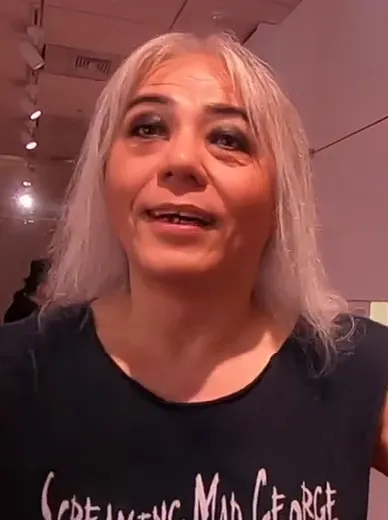
Photo: Studio_AKI, CC BY 3.0, via Wikimedia Commons
There's a specific kind of electricity that crackles through the internet when a streamer — mid-broadcast, fully live, thousands of people watching — just completely falls apart. Not in a scripted, PR-approved way. Not in a carefully edited YouTube confessional. We're talking full, unfiltered, spectacular human implosion. The kind where you watch three seconds and immediately text the clip to four people with zero context.
Twitch didn't invent chaos. But it gave chaos a streaming platform, a donation counter, and a live chat full of people typing "KEKW" at 300 messages per second.
Why Live Is Different (And Why That Matters)
Here's the thing about traditional celebrity scandals: they're almost always discovered after the fact. A tabloid digs something up. A publicist scrambles. By the time you're reading about it, the moment has been processed, filtered, and packaged for consumption. There's a layer of glass between you and the actual meltdown.
Live streaming obliterated that glass entirely.
When a streamer loses their mind on Twitch, you are there. You're watching it happen in real time, alongside sometimes hundreds of thousands of other people who are all collectively experiencing the same "wait, is this actually happening?" sensation. The live chat becomes a kind of Greek chorus — part witness, part instigator, part archive. The moment is simultaneously happening and being documented and being memed before it's even finished.
This is genuinely new territory for human spectacle. It's the Roman Colosseum if the Colosseum had a clip-sharing button.
The Anatomy of a Legendary Meltdown
Not every streamer freakout achieves folklore status. There's a formula — unspoken, unwritten, but absolutely real — that separates the clips that live for a week from the ones that get referenced five years later in unrelated Reddit threads.
Ingredient one: stakes that feel real. The best meltdowns aren't over trivial things, which is what makes them so weirdly poetic. A streamer sobbing over a Dark Souls boss hits different than someone mildly annoyed at lag. The viewer has to feel the weight of whatever emotional pressure cooker just exploded on screen.
Ingredient two: the unintentional confession. Some of the most legendary moments aren't anger at all — they're streamers accidentally revealing something deeply personal mid-broadcast. A slip of the tongue. A background conversation that wasn't supposed to be audible. A moment of genuine vulnerability that the streamer clearly didn't intend to share with 80,000 concurrent viewers. These moments are oddly humanizing, which is probably why they tend to generate empathy alongside the inevitable clipping.
Ingredient three: the chat's reaction. A meltdown without a chaotic live chat response is like a tree falling in an empty forest. The chat isn't just witnessing — it's participating in real time, and the screenshots of those chat logs become their own secondary artifact. Some of the most-shared content from legendary Twitch moments isn't even the stream itself; it's the chat replay.
From Rage Quit to Cultural Touchstone
Certain moments have genuinely transcended gaming culture to become reference points for people who've never watched a single stream in their lives. The rage quit — once a quaint gamer tradition of slamming a controller — evolved into something almost theatrical on Twitch. Keyboards launched. Headsets destroyed. Desks punched with the kind of commitment usually reserved for method acting.
But the moments that really stuck weren't always the loudest ones. Some of the most-replayed clips are quieter: a streamer staring into the middle distance after a loss, a long silence before a very calm, very unhinged statement, or the specific facial expression of someone realizing in real time that they just did something they absolutely cannot take back.
These clips get downloaded, reposted, turned into memes, referenced in comment sections, and eventually reach a kind of cultural saturation where the original context becomes almost irrelevant. The moment becomes the thing. The streamer becomes the character.
The Uncomfortable Question Nobody Wants to Answer
Let's be honest for a second, because TastySpleen TV is nothing if not a safe space for uncomfortable honesty: watching someone have a breakdown is ethically messy.
There's a reason these clips spread so fast. Human beings are wired for social drama. We've always been voyeurs — we just used to have to settle for reality TV producers manufacturing the chaos for us. Twitch removed the manufacturer entirely. The drama is real, the emotions are real, and the streamer signed up to broadcast themselves, but they probably didn't sign up for that specific moment to outlive their channel by a decade.
The internet has mostly decided this is fine, which is a very internet conclusion to reach. The more nuanced take is that the best meltdown content — the stuff that actually becomes folklore — usually features streamers who eventually laugh about it themselves, reclaim the clip, or at minimum aren't actively harmed by its spread. The stuff that involves genuine mental health crises tends to get a more complicated reception, even on platforms that are otherwise pretty ruthless about clipping everything.
Why This Replaced Celebrity Culture for an Entire Generation
Ask a 22-year-old to name a Hollywood scandal from the last five years and watch them struggle. Ask them about a specific streamer meltdown and they'll give you timestamps.
Twitch and its associated streaming ecosystem have functionally replaced traditional celebrity culture for a significant chunk of the American internet. The streamers feel more accessible — they're in your headphones for six hours a day, they're reading your chat messages, they're visibly human in ways that red-carpet celebrities simply aren't. So when they break, it lands differently. It feels personal in a way that a tabloid story about someone you've never interacted with simply cannot replicate.
The meltdown archive isn't just entertainment. It's a record of what happens when parasocial intimacy meets the unblinking eye of a live camera and the entire internet decides to watch.
And honestly? We're going to keep watching. The chat never closes.

