Haunted Mattress Store Cinema: The Gloriously Unhinged Return of Fake Local Ads
The algorithm has a new fetish: analog weirdness
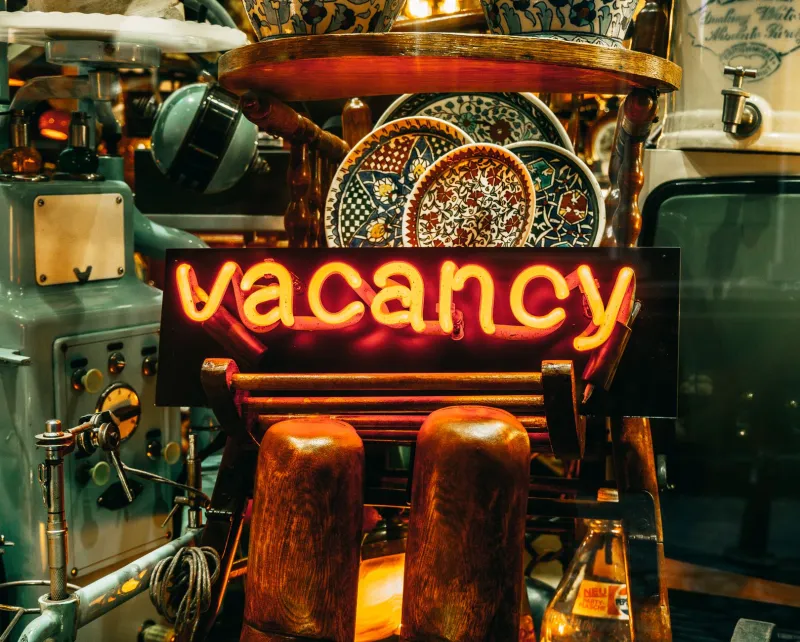
There is a specific kind of American television that exists only after midnight, in a motel room, on a TV with too many buttons and a remote held together by tape. A mattress store commercial where the owner screams the word 'LIQUIDATION' like it is a threat. A car dealership ad with a mascot that looks like it escaped from a regional theater production. A public-access PSA about recycling that was clearly shot in one take and scored with royalty-free synth. In 2026, that energy is back, except it is not on cable. It is on YouTube, TikTok, and every platform where a creator with a green screen and too much time can make a fake local ad that feels like it was beamed in from a haunted mattress store.
Why fake ads hit different in 2026
The modern internet is too polished. Even the chaos is optimized. The thumbnails are tested. The hooks are engineered. The lighting is a ring light and a dream. So when a creator posts a fake infomercial for a product that does not exist — a blanket that also charges your phone, a grill that whispers affirmations, a local attorney who is definitely a werewolf — it feels like finding a VHS tape in a basement. The production is intentionally bad. The pacing is wrong. The sound mix is a crime. That is the point. The audience is not laughing at the ad. The audience is laughing at the fact that the ad exists, that someone made it, and that the algorithm decided this was the correct content for a Tuesday afternoon.
US audiences have a particular relationship with local advertising. We grew up with the same regional spots playing during afternoon cartoons and late-night reruns. The guy who owns the furniture store. The attorney who says 'I will fight for you' while standing in front of a truck. The jingle that burrows into your brain and refuses to leave. Fake local ads are not just nostalgia. They are a remix of a shared American fever dream. Everyone from a certain generation remembers a commercial that felt slightly cursed. Now creators are manufacturing new cursed commercials on purpose, and the result is a genre that is somehow both parody and love letter.
The public-access PSA is the new short film
The fake PSA is where this format gets truly unhinged. A creator will make a thirty-second spot about, say, the dangers of leaving a shopping cart in a parking lot, and it will be shot like a lost episode of a safety video from 1987. There will be a narrator who sounds like they have been awake since the Carter administration. There will be a graphic that says 'THINK ABOUT IT.' There will be a moment of silence that goes on too long. The fake PSA is funny because it commits. It does not wink. It does not break. It just delivers the bit with the dead-eyed sincerity of a local news anchor reading a story about a loose emu.
This is the part that makes it more than a joke. Public-access TV was never good, exactly. It was strange, local, and deeply human. It was made by people who had no budget and no filter. The fake PSA captures that energy without the actual public-access budget, which is to say it captures the freedom. Creators can make the weird thing. The algorithm will find the people who want the weird thing. That is the entire business model now.
The haunted mattress store economy
There is a reason this format is taking off in 2026. The internet has spent a decade making everything look the same. The same fonts. The same editing style. The same 'hey guys' energy. Fake local ads are a rebellion against the sameness, but they are also a rebellion against the pressure to be good. They are allowed to be bad. They are supposed to be bad. The badness is the hook. A creator does not need a cinematographer. They need a tripod, a bad wig, and the confidence to say 'come on down to Crazy Dave's Mattress Blowout' like it is a line from Shakespeare.
The US market is uniquely primed for this. We have a long, proud history of local businesses making commercials that feel like outsider art. We have regional accents, regional grudges, and regional mattress stores. We have attorneys who advertise on billboards and car dealers who scream. We have a deep cultural memory of television that was not meant to be watched by anyone outside a fifty-mile radius. Fake local ads let creators tap into that memory without needing a license. They can invent a town. They can invent a business. They can invent a guy named Crazy Dave. And the audience will treat it like a real place, because in the logic of the internet, a bit that is committed to is a bit that is real.
The new prime time is a 3 A.M. rerun you made yourself
The best version of this trend is not just parody. It is atmosphere. It is the feeling of being awake too late in a place you do not live, watching a channel you did not choose, waiting for a commercial break to end so the movie can come back on. That feeling is hard to manufacture. But creators are getting close. They are making fake ads that feel like they were found, not uploaded. They are building entire fake local stations with bumpers, logos, and a weatherman who is clearly a guy in a tie. The algorithm is serving it to people who did not know they were hungry for it. That is the beautiful, unhinged part. The internet spent years trying to kill appointment television. Now it is reinventing public access from hell, and we are all watching. Bring back the cursed mattress store. We deserve it.