REM Inc.: The Quiet Money Machine Where Falling Asleep Is the Content and Waking Up Is the Churn
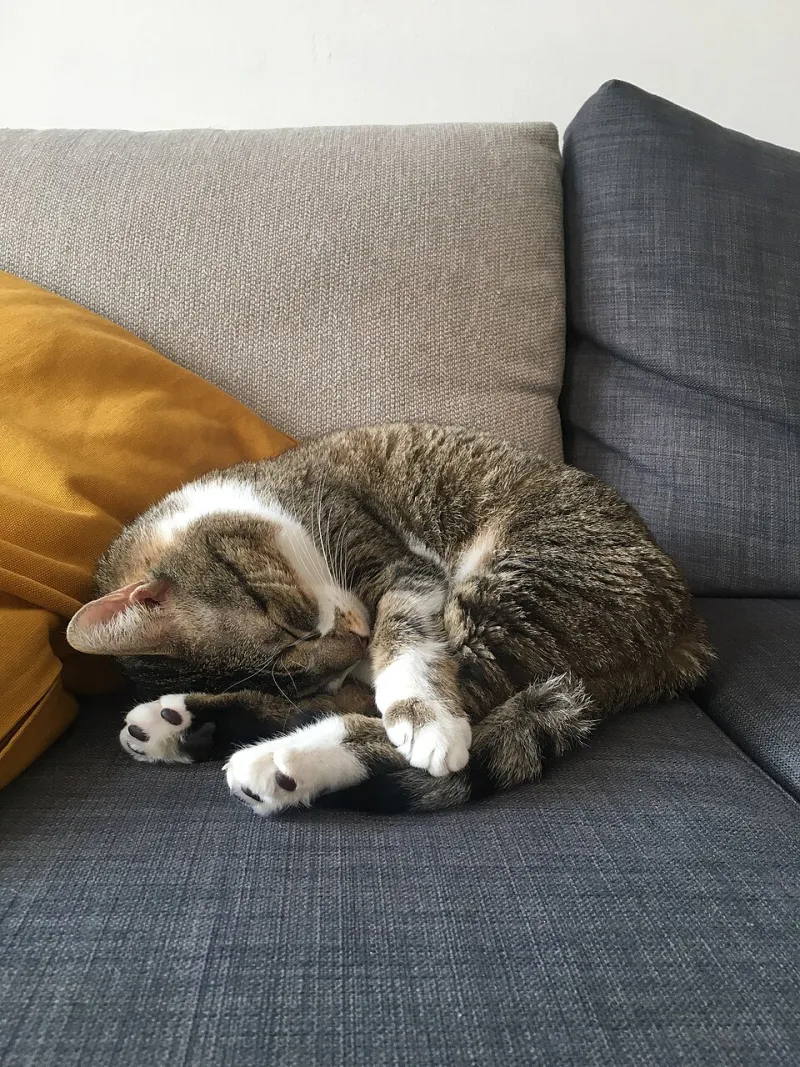
Photo: Sonkiki, CC0, via Wikimedia Commons
It is 2:47 a.m. in Dayton, Ohio, and Marcus — not his real name, but the one on his Twitch channel, SleepyMarcusLive — has been asleep for approximately four hours. This is not a technical failure. This is the product. Forty-one thousand people are watching him do it.
Welcome to the sleep content economy, the corner of the internet where the bar for engagement is literally unconsciousness and the retention metrics are measured in how long you stay under.
The Business of Being Unconscious
The pitch is almost too pure to be sinister: you cannot sleep, and this person can. Or at least, this person can pretend to, convincingly, in a well-lit bedroom with a ring light dimmed to a cozy amber and a microphone that picks up every soft exhale like it's being recorded for a nature documentary about a very tired heron.
The top sleep streamers in America pull thousands of concurrent viewers a night. Some run scheduled "bedtime routines" — a warm drink, a bit of gentle journaling, a monologue about nothing in particular delivered in the vocal register of a librarian reading a bedtime story to a national audience. Others simply point a camera at themselves and let the ASMR do the heavy lifting: the crinkle of a blanket, the tap of a fingernail on a nightstand, the soft mechanical sigh of a white noise machine that probably cost $89 at Target and is now a revenue-generating asset.
The monetization is where it gets beautifully American. Subscriptions, obviously. But also "sleep sponsorships" — mattress companies, weighted blanket brands, melatonin gummies — because if there's one thing advertisers love, it's an audience that is, by design, not paying attention. One creator I found has a tier called the "Night Nurse" subscription that comes with a personalized goodnight message. That's right: for five dollars a month, a stranger you will never meet will wish you sweet dreams by name. People are buying this. Thousands of people. People are buying this recurring.
Why Silence Stopped Being Good Enough
Here's the part that should worry us, and instead mostly just makes us go "huh, same": a huge chunk of this audience isn't watching because the content is good. They're watching because silence has become unbearable.
Ask any insomniac over thirty what they fall asleep to and you'll get the same answer: it used to be a fan, then it was a TV show they'd seen forty times, and now it's a 34-year-old in Portland breathing into a $400 microphone. The logic is perfectly deranged. Being alone with your own thoughts at 3 a.m. is a horror movie. Being alone with your thoughts plus a gentle stranger murmuring about their day is a comfort movie. The brain doesn't care that the stranger is a stranger. The brain just wants to hear a human voice that isn't its own.
Psychologists call this "social surrogacy" — the phenomenon where parasocial relationships trick your nervous system into feeling less alone. Your brain, bless its stupid heart, hears a familiar voice and goes, "Ah yes, tribe nearby, safe to power down." It's the same mechanism that made millions of Americans feel like Norm from Cheers was their friend. Except now Norm is 24, he's live until 6 a.m., and he has a merch store.
The Weird Etiquette of the Sleep Chat
Spend any time in a sleep stream's chat and you'll discover it has developed its own civilization. Nobody types in all caps — that's the cardinal sin. Messages are soft. "gn everyone," "hope everyone sleeps well," "day 212 of falling asleep to Marcus." Regulars greet each other like they're all tucked into adjacent bunks at a summer camp for adults with anxiety.
And here's the wildest part: the chat stays on topic. In a corner of the internet where every other comment section is a dumpster fire, sleep chat is a candlelit vigil of mutual tenderness. Someone's going through a breakup? The chat rallies. Someone's got a job interview tomorrow? Nineteen people type "you've got this" before logging off. It is, depending on your outlook, either the last wholesome place on the internet or the world's saddest substitute for having a single friend.
The answer, as always, is yes.
Waking Up Is the Churn
The genius of the model — and I mean that with my whole spleen — is the churn. You fall asleep. You leave. You come back tomorrow. The retention metric isn't watch time; it's whether you exist. A streamer's most loyal viewer is one who never sees a single second of the content and never once feels the need to. Try explaining that business to a media executive from 2005. "So the show is eight hours long, the audience is unconscious for all of it, and the ad is for a mattress." Executives have been fired for less. Executives should be fired for less.
But there's something almost poetic underneath the grift of it all. In an economy where every other creator is screaming LOOK AT ME, LOOK AT ME, the sleep streamer's entire value proposition is: stop looking. Go to sleep. I'll be here. It might be the only form of content that actively works toward its own non-consumption.
Marcus, back in Dayton, rolled over at 3:12 a.m. The chat — 41,000 strong, most of them half-conscious — softly wished each other goodnight. Somewhere in Nebraska, a nurse coming off a night shift finally drifted off. Somewhere in Florida, a college student who hasn't slept before 4 a.m. since sophomore year felt, briefly, less alone.
Is it a business? Absolutely. Is it a little unhinged? Deeply. Is it the tenderest, dumbest, most human thing the internet has produced in years?
Also yes. Goodnight, everybody.